

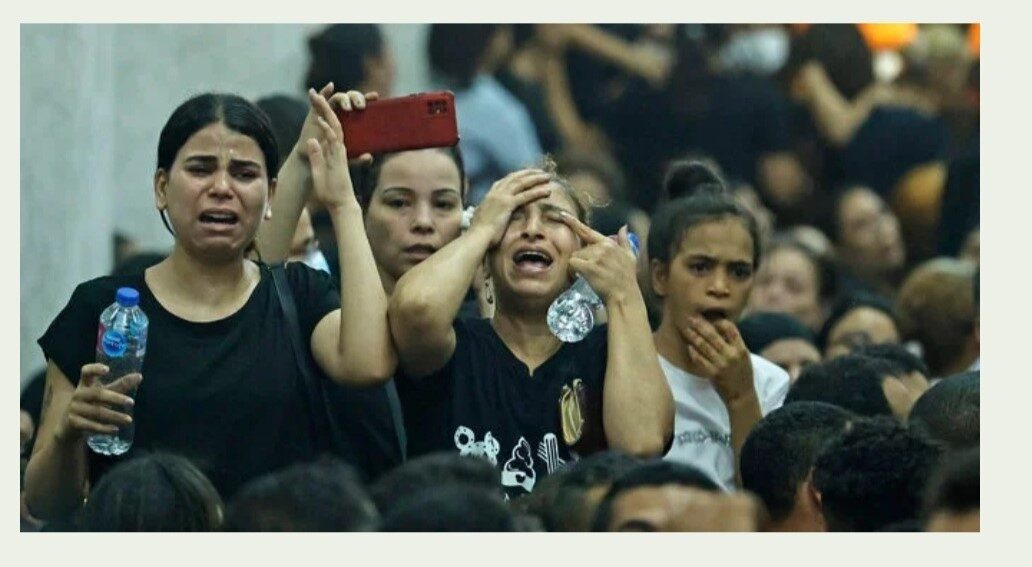
Forty-one innocent souls, including 15 children, died when fire devoured a Coptic Orthodox church in Giza on Aug. 14 — an unspeakable loss that shocked Egypt to its core. As fear levels rose, the tragedy threatened to become another point of division in a country beset by so many challenges in recent years. Religious rhetoric sharpened.
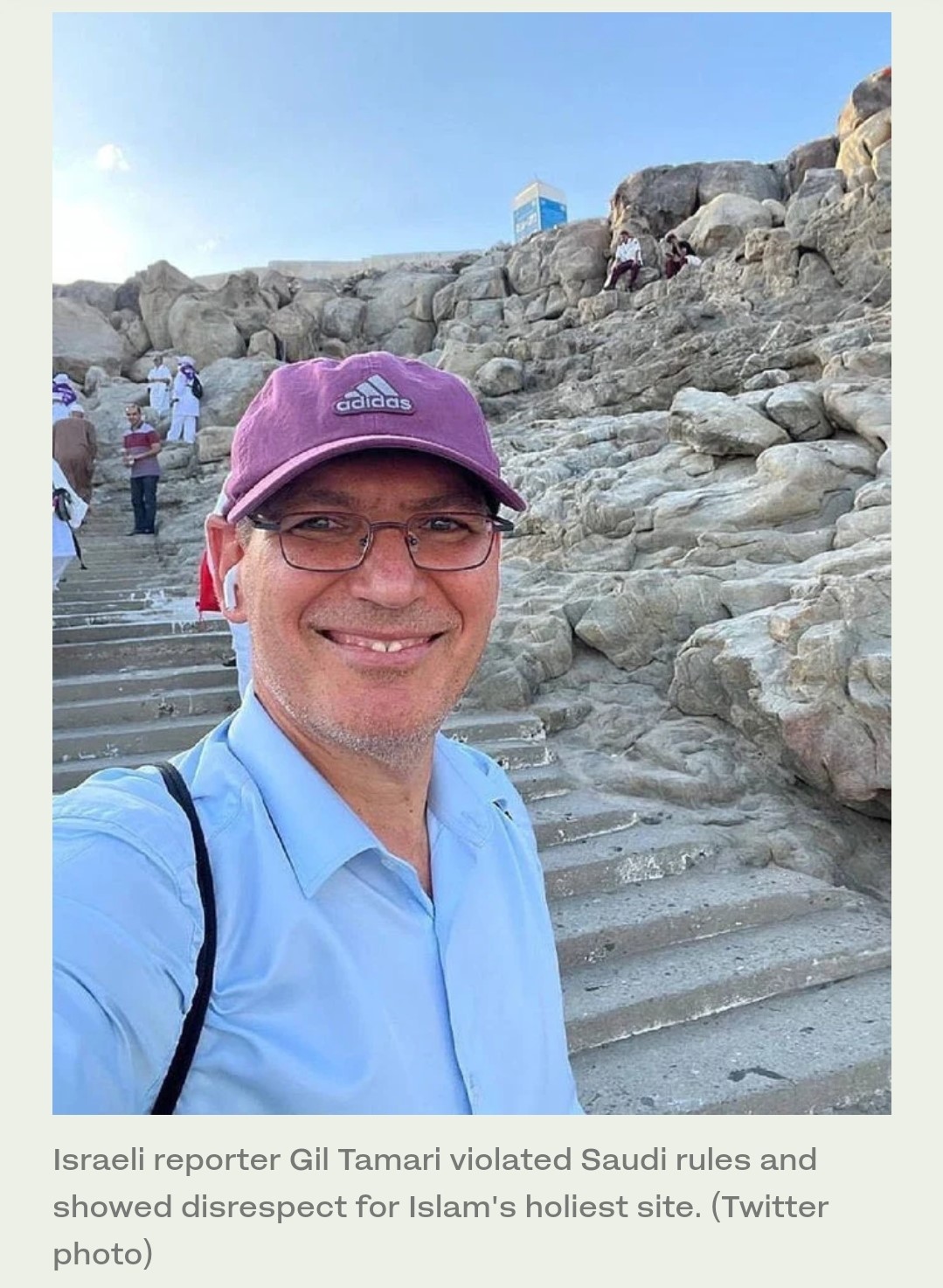
When an Israeli journalist surreptitiously entered Makkah recently, he violated more than just Saudi rules. It was an infringement of religious ritual and tradition and the responsibility required of everyone during this delicate period of Arab-Israeli rapprochement.
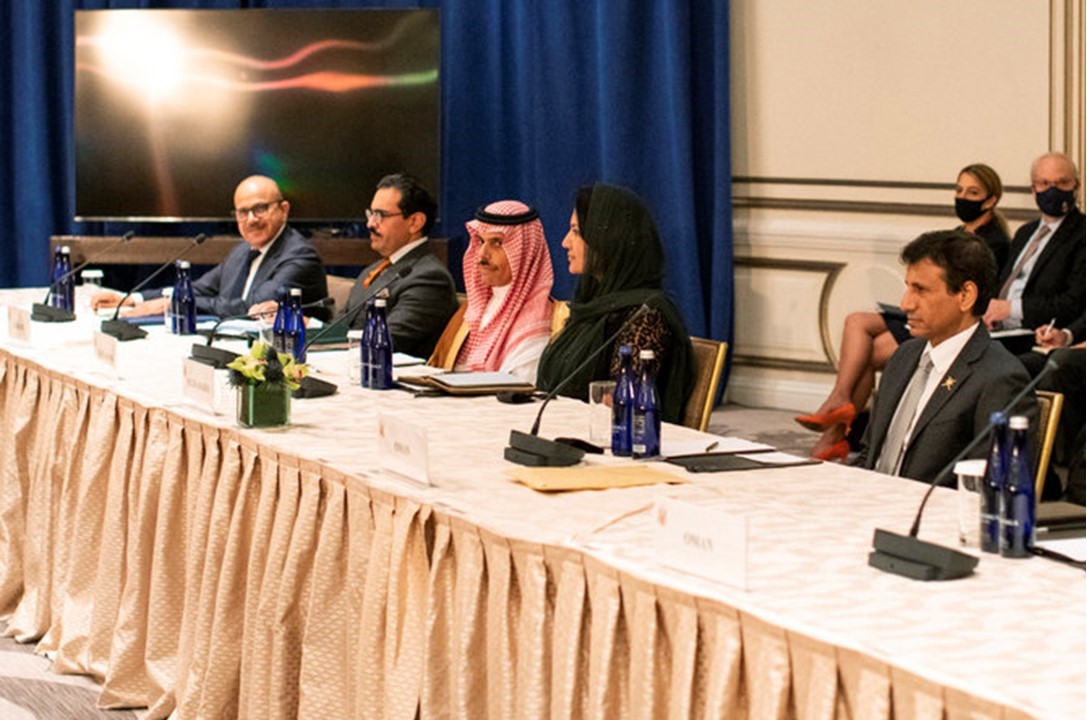
President Joe Biden is traveling to Jeddah at a time of unprecedented regional cohesion and coordination, offering hope for fresh advances on peace and stabilization efforts in a part of the world that has known too much strife and conflict.
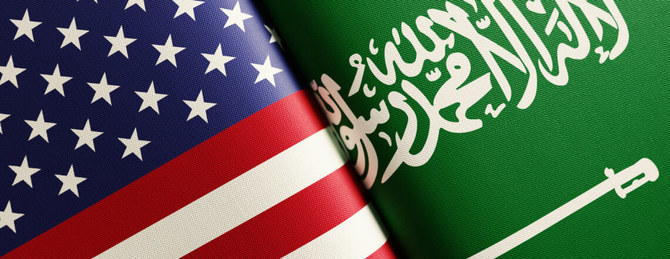
The White House has confirmed that US President Joe Biden will visit Saudi Arabia this July in what will be his first trip to an Arab or Muslim country. Such an overseas journey could not be timelier: By meeting the Saudi leadership in Jeddah, the US leader can reinvigorate an alliance — one of America’s oldest — that is needed more than ever.
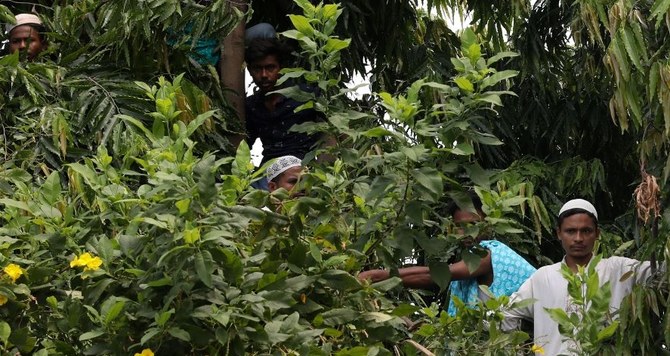
If anyone doubted the potential dangers around religious incitement, they need look only to India’s unnecessary and increasingly perilous crisis taking place right now.
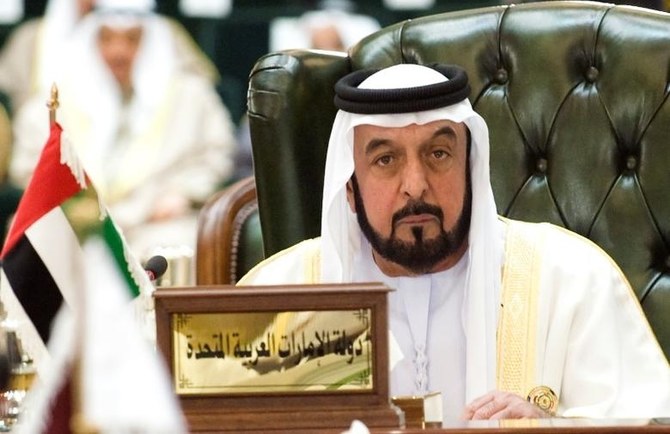
The entire interfaith community mourns the loss of Sheikh Khalifa bin Zayed Al-Nahyan, the late president of the UAE, who oversaw dramatic transformation in his country — in terms of both economics and making the UAE a beacon of tolerance for the world.
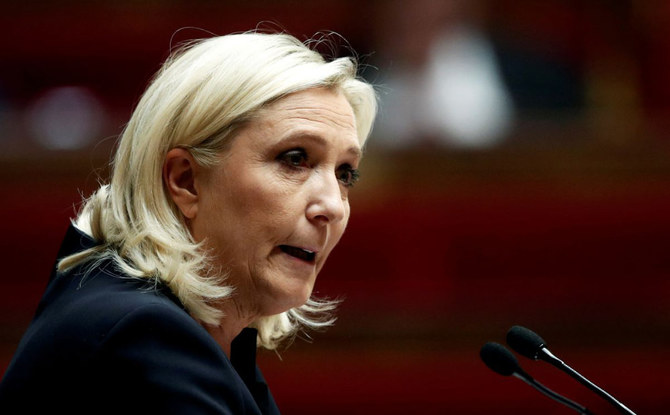
Too often we have discussed the rise of the far right in Europe as the natural manifestation of a radical fringe, a pernicious threat that periodically wreaks social havoc but is far from the corridor of power and is ultimately contained. Last month’s French presidential election tells a different story.
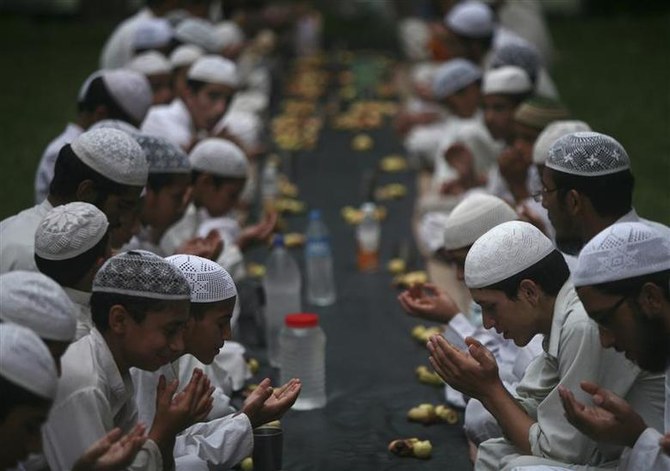
When I was growing up in New York’s Jewish community, Ramadan was far from my consciousness. I knew little of its meaning for billions of Muslims around the world, much less the spiritual significance of the rituals.
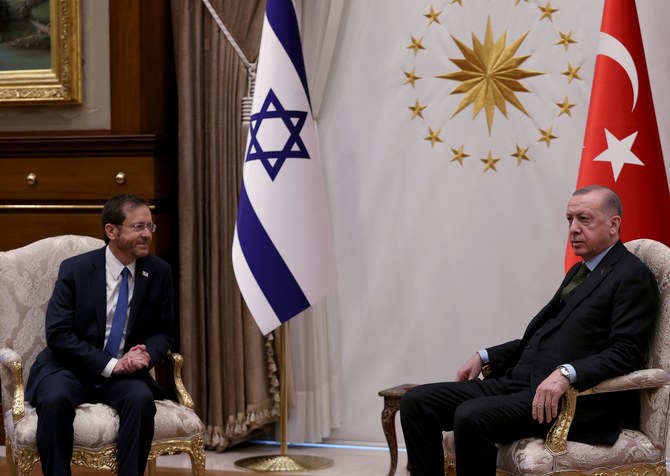
Change is happening fast in Turkey, and countries from Europe to the Middle East and the US are taking note.
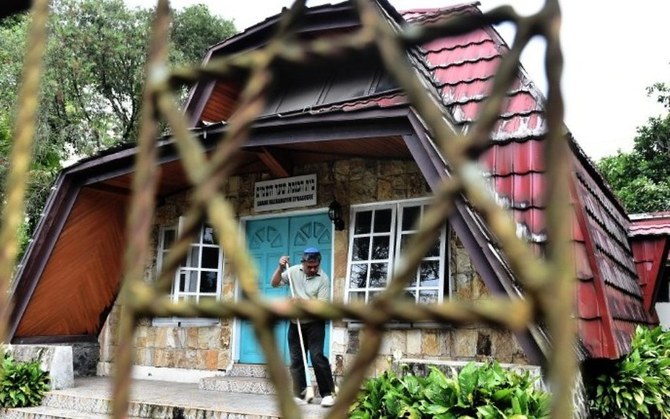
Indonesia is more than just the beaches of Bali, skyscrapers of Jakarta or coffee and clove fields of Java. It is also the fourth most-populous nation in the world, the home to more Muslims than any other country and a historic beacon of religious tolerance.
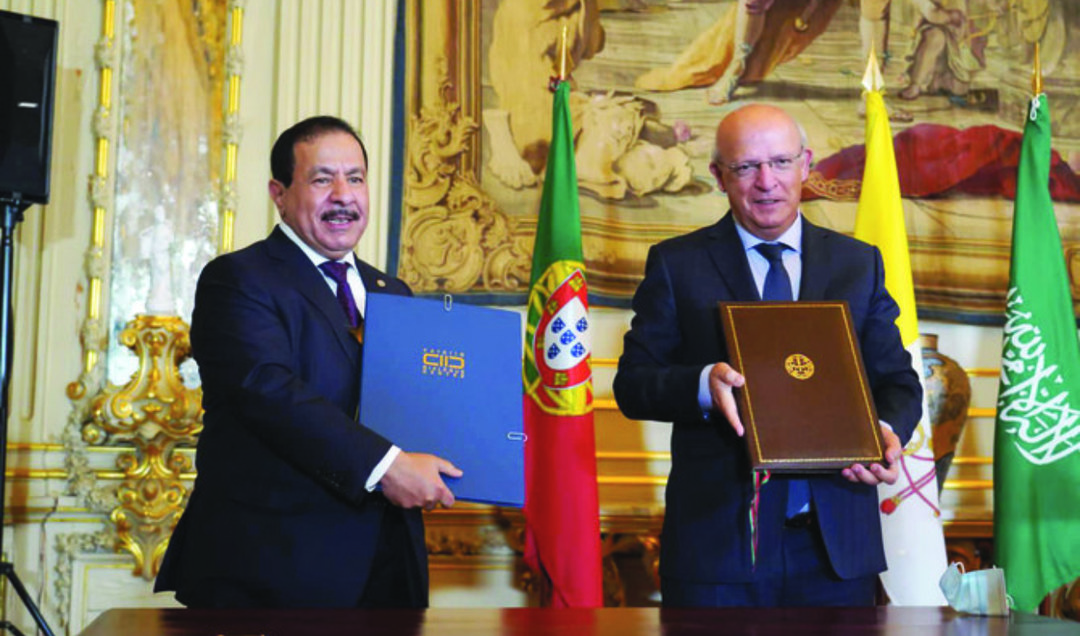
Last October, the King Abdullah bin Abdulaziz International Centre for Interreligious and Intercultural Dialogue decided to relocate from Vienna to Lisbon. The reasons why bear powerful lessons for us all.
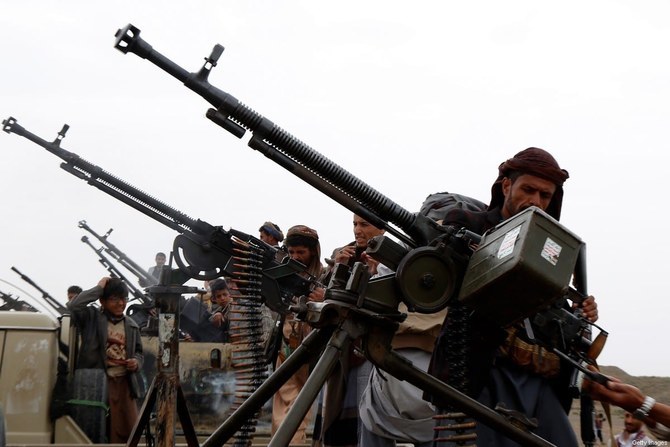
The brazen missile attack on Abu Dhabi last week served as a reminder to the world that the Houthis pose a threat not just to the people of Yemen, but also to the broader stability of the Middle East and beyond. It is really a reminder no one should have needed.
Copyright © 2026 Foundation For Ethnic Understanding. All rights reserved. | Privacy Policy